News & Views
Hygiene Activity Makes Spread of Pandemic Flu Slow
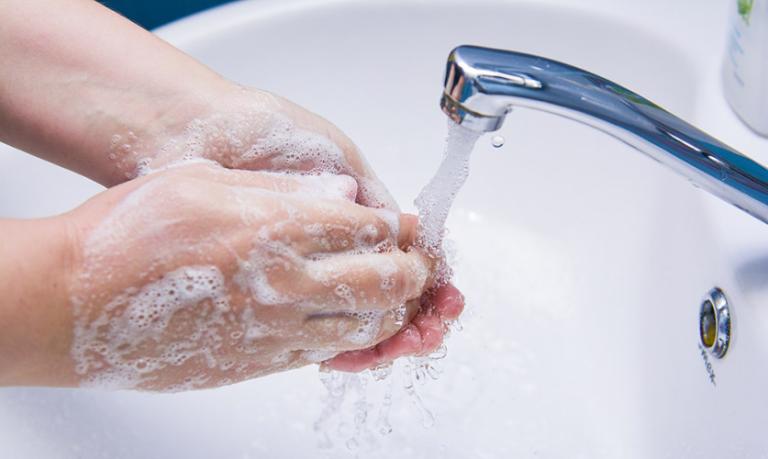
Simple steps, such as hand washing and covering the mouth, could prove helpful in reducing pandemic flu transmission, experts say. However, in the May issue of the American Journal of Infection Control, a University of Michigan study team cautions that more research is needed to assess the true effectiveness of so called “non-pharmaceutical interventions” aimed…
Read MoreTainted Soil May Leads Kids To Vision Loss

Children are among those most likely to be affected by a parasitic disease called ocular toxocariasis (OT), which can lead to permanent vision loss, according to a national survey of American ophthalmologists. OT can occur when a person ingests dirt that’s contaminated with microscopic Toxocara eggs, which come from feces of an infected dog or…
Read MoreLittle Dirt Sometimes Helps You

Good hygiene has saved millions of lives, protecting people from countless bacterial and viral infections, according to the U.S. Centers for Disease Control and Prevention. But there is growing concern that strict adherence to good hygiene, though a valuable means of protecting health, has left humans open to other forms of illness. Proponents of the…
Read MoreWhen We Should Wash Our Hands?

Washing your hands is among the best and easiest ways to prevent infection and the spread of germs. The U.S. Centers for Disease Control and Prevention says you should always wash your hands: Before, during and after you prepare food. Before you eat. Before and after you care for someone who is sick or has…
Read MoreDo You Wash Face In Healthy Way?
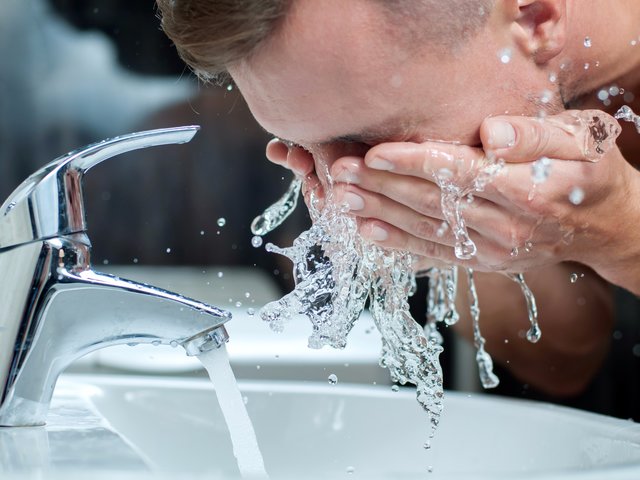
The way you wash your face affects how healthy it looks, according to an expert. “It’s important for people to treat the face with care,” Dr. Thomas Rohrer, a dermatologist in Chestnut Hill, Mass., said in an American Academy of Dermatology news release. “Never scrub the skin or use harsh products, as doing so irritates…
Read MoreBrush Teeth Can Help Save Heart
Researchers found that as people’s gum health improved, the buildup of plaque in their arteries slowed. This narrowing of the arteries, called atherosclerosis, is a major risk factor for heart disease, stroke and death. The study included 420 adults who underwent tests to assess their gum health and plaque buildup in their neck (carotid) arteries.…
Read MoreHand Washing And Zinc Keep Colds Away
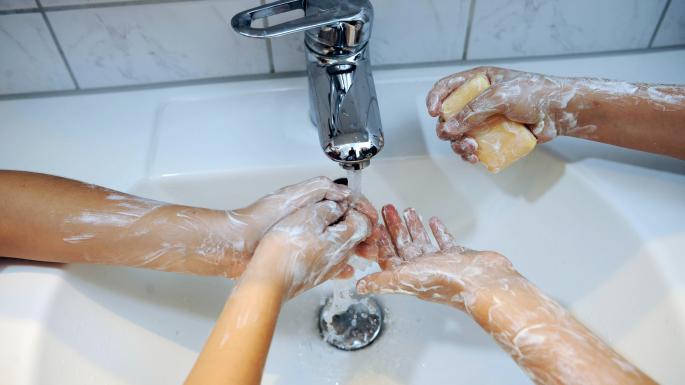
The cold season is in full swing, with everyone swearing by their own methods for avoiding infection or treating themselves should they get sick. Now, a new review finds that some methods seem to work better than others, namely hand washing and zinc supplements for prevention of a cold, and decongestants and pain relievers for…
Read MoreIf Kids Think Someone’s Watching, They’re More Likely to Wash Their Hands

Hand washing is one of the best ways to prevent infectious diseases, and placing cameras over sinks might boost youngsters’ hand hygiene, new research suggests. The study included students at four public schools in a slum in Nairobi, Kenya. Video cameras were installed in hand cleaning areas outside the schools’ latrines. Teachers were told about…
Read MoreClassroom Hand Sanitizers Don’t Curb Absences

Placing hand sanitizer dispensers in classrooms doesn’t reduce student absences, according to new research. The study included children in 68 New Zealand primary schools who received a 30-minute lesson in hand hygiene. In addition, some of the schools had alcohol-based hand sanitizer dispensers installed in the classrooms over two winters. Students were asked to use…
Read MorePlease Scrub Your Hands Thoroughly

To get rid of germs on your hands, you should make sure you’re washing properly. The World Health Organization offers these handwashing guidelines: Get your hands completely wet, then squirt enough soap to cover the entire surface of your hands. Rub your hands together palm to palm, then rub palms over the backs of the…
Read More